6 Dealership Marketing Strategies for 2026
Automotive Best Practices
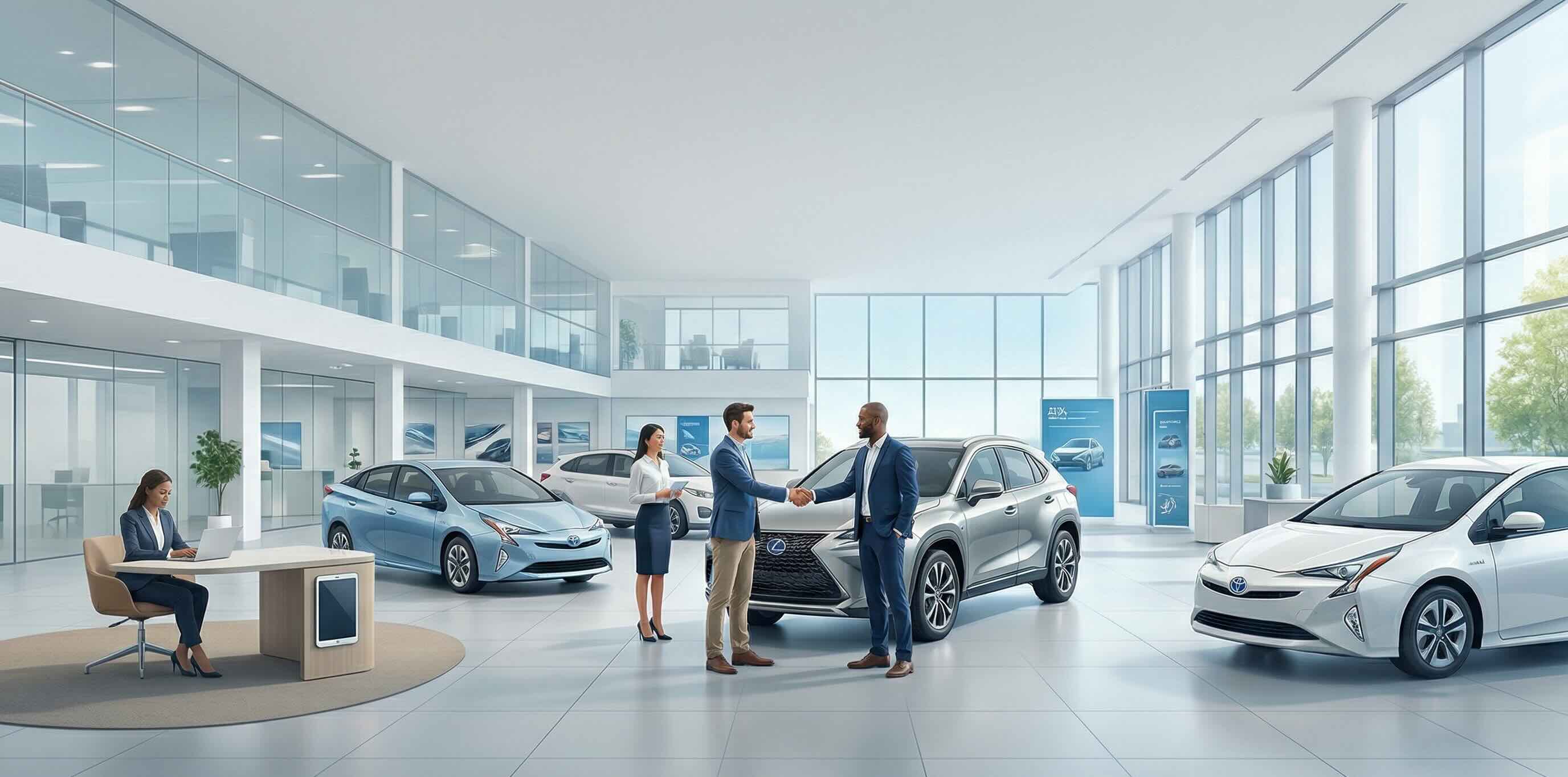
Dealership marketing in 2026 is not just about generating more leads. It is about turning more of the right leads into appointments, more appointments into shows, and more customers into long-term fixed ops revenue.
That matters because the buying journey is still messy. Your customers want the speed and convenience of digital tools, but they still want the reassurance from a real person before they make a decision.
At the same time, you are likely dealing with more friction than you were a few years ago. Privacy expectations are rising, communication rules are tightening, and every marketing dollar has to prove it can drive real outcomes, not just clicks and form fills.
The stores that win in 2026 will not be the ones chasing every shiny new tactic that appears. They will tighten their foundation, improve lead handling, and remove friction from the buying process. They will also make searching through their store inventory easier for customers and give them a reason to come back for service.
Here are six dealership marketing strategies worth focusing on this year.
1. Get Your Marketing Data Foundation Right
Before you spend another dollar trying to drive more traffic, make sure you can actually measure what is working.
Many dealerships still optimize campaigns around soft conversions like form fills, VDP views, or phone calls without connecting those actions to what really matters: appointments set, show rate, units sold, repair orders, and gross. A campaign can look great in a dashboard while sending your team leads that never show up.
In 2026, the smarter play is to build a measurement backbone that connects your website, CRM, phone calls, showroom activity, and service lane. That means cleaner lead source tracking, tighter CRM discipline, better consent capture, and more reliable attribution between marketing activity and real dealership outcomes.
When you know which campaigns actually produce appointments, sold units, and repair orders, you stop guessing and start moving budget with confidence.
For many stores, this work is not flashy. But it is the work that makes every other marketing strategy perform better.
2. Use AI to Improve Lead Response Time and Follow-Up
Speed still matters.
A new lead that waits too long stops being a new lead very quickly. And when your customers are cross-shopping stores, brands, and price points faster than ever, slow or inconsistent follow-up means opportunity slipping away.
This is where AI can help your team operate more efficiently. Not by replacing your BDC or sales team, but by helping them respond faster, prioritize high-intent buyers, and maintain consistent follow-up across every lead.
The most effective AI use cases are practical. AI can help answer inventory questions after hours, summarize customer conversations, suggest next steps for your team, and route leads to the right person faster. It can also support service scheduling and customer updates, which helps improve the fixed ops experience as well.
Used well, AI does not make your dealership feel robotic. It simply helps your team focus more time on real conversations and less time on repetitive tasks.
3. Market Your Buying Process, Not Just Your Vehicles
Most dealerships still market inventory and price.
Fewer talk about the experience of buying from their store.
That is a missed opportunity. Today’s customers expect to complete at least part of the buying process online before they step into the showroom. When you show customers how easy it is to start the process digitally, you create a real advantage.
That might mean promoting online credit applications, trade-in evaluations, appointment scheduling, payment estimators, or a digital retail path that helps customers complete a few steps before they arrive.
The goal is not to force a fully online sale. Most customers still want an in-person handoff. The opportunity is to make that transition smoother.
If your dealership can help customers save time, understand what happens next, and avoid unnecessary friction, that becomes a powerful marketing message.
Your process is part of your product now.
4. Own Search and Inventory Visibility
When someone searches for a vehicle, a dealership, or a store near them, that moment matters.
Search remains one of the highest-intent channels in automotive retail, especially when your inventory is easy to find and accurately represented. That means looking beyond generic marketing campaigns and focusing on inventory visibility, how accurate and complete your inventory shows up across sites, local search presence, and strong VDP merchandising.
If your pricing is outdated, availability is unclear, or vehicle information is incomplete, you are creating friction before the shopper even clicks.
On the other hand, when your inventory is easy to discover and your VDPs clearly answer a shopper’s questions, lead quality improves. You attract more customers who already know what they want instead of shoppers who are still browsing.
Great search performance is not just about marketing. It also requires operational discipline around inventory accuracy and merchandising.
5. Treat Fixed Ops Like a Growth Engine
If your marketing strategy ends when the vehicle sells, you are leaving revenue on the table.
Your service drive is one of the biggest profit drivers in your store. Vehicles are staying on the road longer, service expectations are rising, and retention matters more than ever.
That makes fixed ops marketing a core revenue strategy.
The most effective stores build simple lifecycle communication around service reminders, maintenance recommendations, recall notifications, post-service follow-ups, review requests, and win-back campaigns.
This is not just about filling open service appointments. It is about building trust and keeping customers connected to your dealership long after the initial purchase.
Customers may forget the exact price of a repair order. They rarely forget whether the experience felt smooth, transparent, and easy. That’s what turns a one-time visit into a repeat customer.
6. Build Trust Earlier with Short-Form Video Content
Not every customer starts their journey by submitting a lead form.
Many start by watching.
Short-form video and creator-style dealership content have become powerful ways to build trust before a customer ever reaches out. These videos give you an opportunity to show how your dealership actually operates.
The content that performs best is often simple. Vehicle walkarounds. Trade-in explanations. Service tips. Customer delivery moments. Staff introductions. Quick answers to common questions.
None of it needs to feel overly produced. In fact, it often works better when it feels real and local.
The goal is not to chase viral content. The goal is to create familiarity and credibility before the first conversation ever happens. When that customer eventually searches for a vehicle or reaches out, your dealership already feels familiar.
What Winning Looks Like in 2026
Dealership marketing is getting more complex, but your goals haven’t changed. You want to connect faster, reduce friction in the buying process, earn more trust, and turn more opportunities into revenue.
That’s why the most effective strategies in 2026 work together.. They reinforce each other. When your data is cleaner, you optimize better. When your lead handling improves, your show rate improves. When your buying process is easier, your close rate improves. When your service communication improves, retention improves. And when you consistently show up with helpful content, trust builds before the first conversation ever happens.
If you want those pieces working well, the real advantage is not simply adding more tools. It is giving your team a system that helps them respond faster, communicate better, and keep every opportunity moving forward. That is exactly what DriveCentric is built to do, helping you turn better conversations into better outcomes across sales, service, and marketing.